


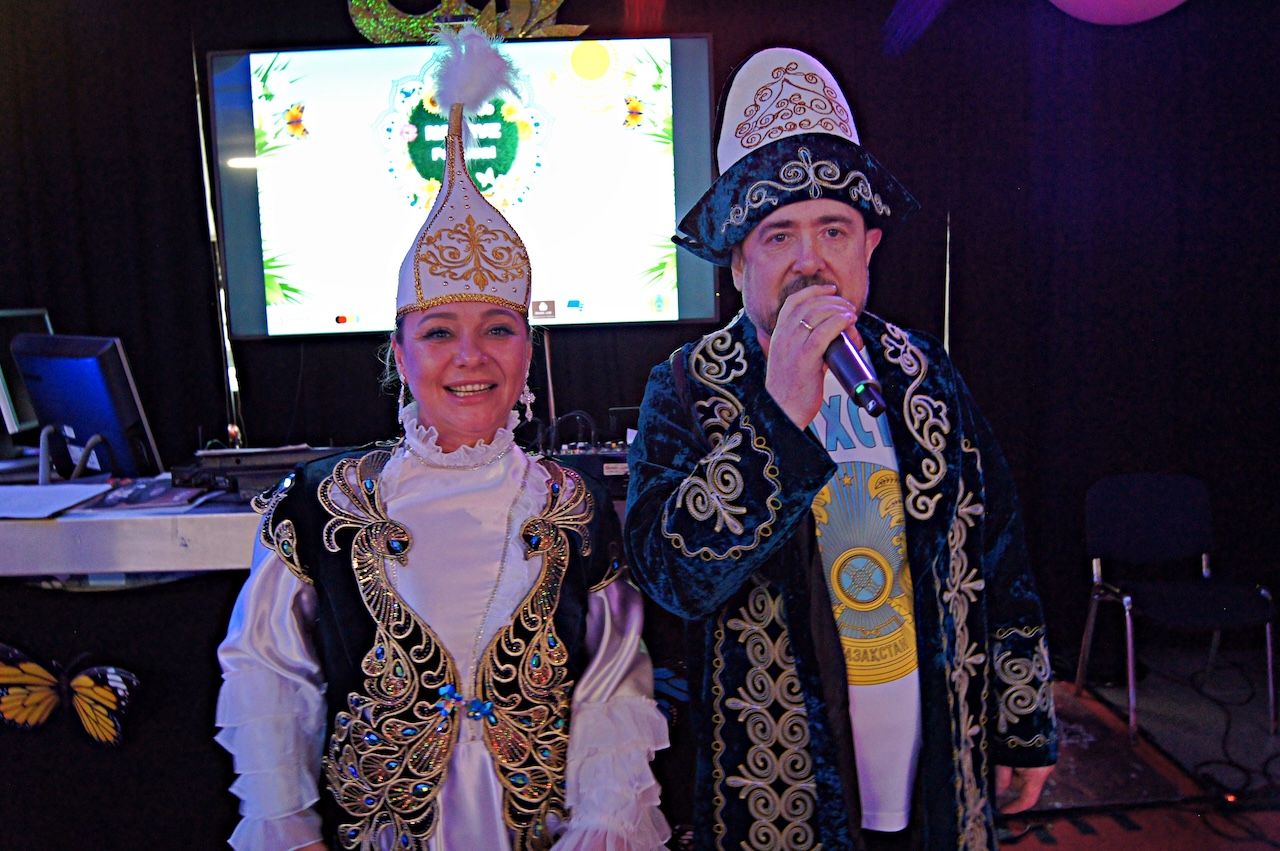
Nowruz 2026 in Berlin (Marzahn)
Navruz (also known as Nowruz, Nauruz, Nooruz) is a celebration of the arrival of spring and the first day of the new year according to the solar calendar (based on the “Solar calendar”), on the day of the vernal equinox. Usually it is March 20 or 21. In 2026 it fell on March 20. And its widespread celebration traditionally began already on the following day. In different countries, the date may shift by one or two days.
The name comes from the Persian word “Navruz”, which in simple terms means “new day”. Every year it is “welcomed” by more than 300 million inhabitants of our planet. It is believed that Navruz is one of the oldest holidays in the history of mankind. It began to be celebrated in Persia (Iran) and Central Asia even before the 7th century BC. It is by no means accidental that in 2009 the holiday was included by UNESCO in the “List of the Intangible Cultural Heritage of Humanity”. And in 2010 the United Nations General Assembly proclaimed March 21 as the “International Day of Navruz”.
This holiday does not belong to events of religious content or to any phenomena of confessional nature. Its deeper meaning lies in the “renewal and purification” of a person, in the triumph of life, in the purity of thoughts and in the social responsibility of each individual. It embodies humanism, mutual assistance, unity and the connection of humans with nature. And these are the immutable moral attributes of Navruz. They have been passed down from generation to generation for centuries, preserving cultural memory and spiritual values.
Navruz is an integral part of the cultural heritage of peoples belonging to the Iranian and Turkic ethno-linguistic groups. It is celebrated, for example, in India, Albania, Azerbaijan, Afghanistan, Bosnia and Herzegovina, Georgia, Iraq, China, Iran, Kazakhstan, Kyrgyzstan, Mongolia, Pakistan, Russia, Turkey, Uzbekistan, Turkmenistan. As well as by people of Persian and Turkic origin living outside their countries. In some of the mentioned countries, this ancient celebration has the official status of a public holiday.
It is noteworthy that this day of the vernal equinox is also celebrated by the Maya people living in the territorial space of Mesoamerica (not to be confused with Central America), which includes parts of modern Mexico, Belize, Guatemala, as well as certain regions of El Salvador and Honduras. Since the timekeeping of the most ancient civilizations (Maya, Aztecs, Olmecs) was also based on the “Solar calendar”.
Festive events dedicated to Navruz often last from two to seven days, and sometimes even longer. However, they invariably end on the thirteenth day, called “Sizdah Bedar”. This is associated with ancient beliefs according to which the first twelve days of Navruz were associated with order and harmony, while the thirteenth day symbolized a departure from this order, embodying chaos and misfortune.
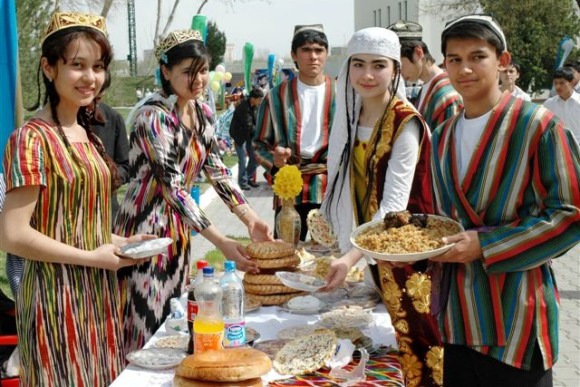
For Navruz, a great variety of delicious dishes is traditionally prepared, reflecting the culture and traditions of many different peoples. Only the most widespread of them are: sumalak, kuk - samsa, bursaki, a special “festive” pilaf, beshbarmak syrne, sabzi polo mahi, halim, nauryz-kozhe, haft sin, sheker-bura, baklava, gogal, badambura…
Like any other truly beloved holiday, in which there is general popular rejoicing, Navruz gives an atmosphere of joy and mutual understanding, contributes to the strengthening of social ties, demonstrates commitment to ethical principles and the desire for active participation in the life of society, provides an opportunity to deeply feel the sacred breath of the centuries.
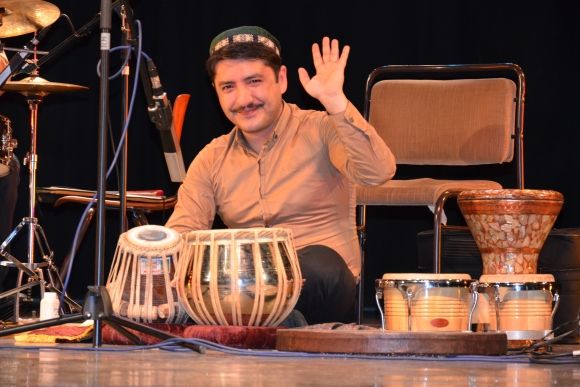
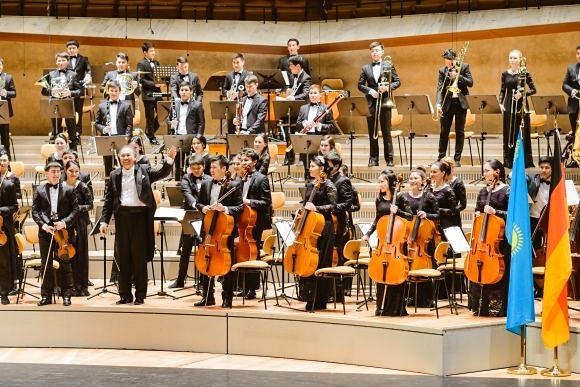
All this in harmonious combination and cultural diversity could be observed on March 29 at Tal-Center Marzahn (Oberweißbacher Str. 7, 12687 Berlin) and on the adjacent territory. It was here that another public, family festival dedicated to the bright holiday – Navruz – took place.
Its initiator and organizer was once again the society of Russian Germans Lyra–Marzahn e.V. Which in itself for many also carries a strong symbolic meaning. Since it is also a kind of tribute of respect and sincere gratitude of Russian Germans to the peoples of the former republics of Central Asia of the USSR, and especially Kazakhstan.
At one time, the inhabitants of these republics, and Kazakhstan to the greatest extent due to objective reasons, essentially came to the aid of Russian Germans and extended a helping hand to them. Whose difficult life path was overshadowed by the heavy hardships and suffering of deportation, flight, exile, discrimination, loss of places of residence, and the unjustified death of relatives and loved ones.
Russian Germans of the older generation remember how the local population shared with them their last piece of bread, provided shelter in their families, treated them kindly, accepting them as relatives and helping to raise children. This is not subject to oblivion, even after the historical return to Germany. Along with the careful honoring of the best traditions and customs acquired from these peoples.
This time the Navruz festival at Tal-Center Marzahn was held by the society of Russian Germans Lyra–Marzahn e.V. in close cooperation with the Embassy of the Republic of Kazakhstan in Germany. With direct practical support of the chain of stores “MIX MARKT”, the European company in the field of professional education – EBG gGmbH and the society Deutsch - Kasachische Gesellschaft e.V.
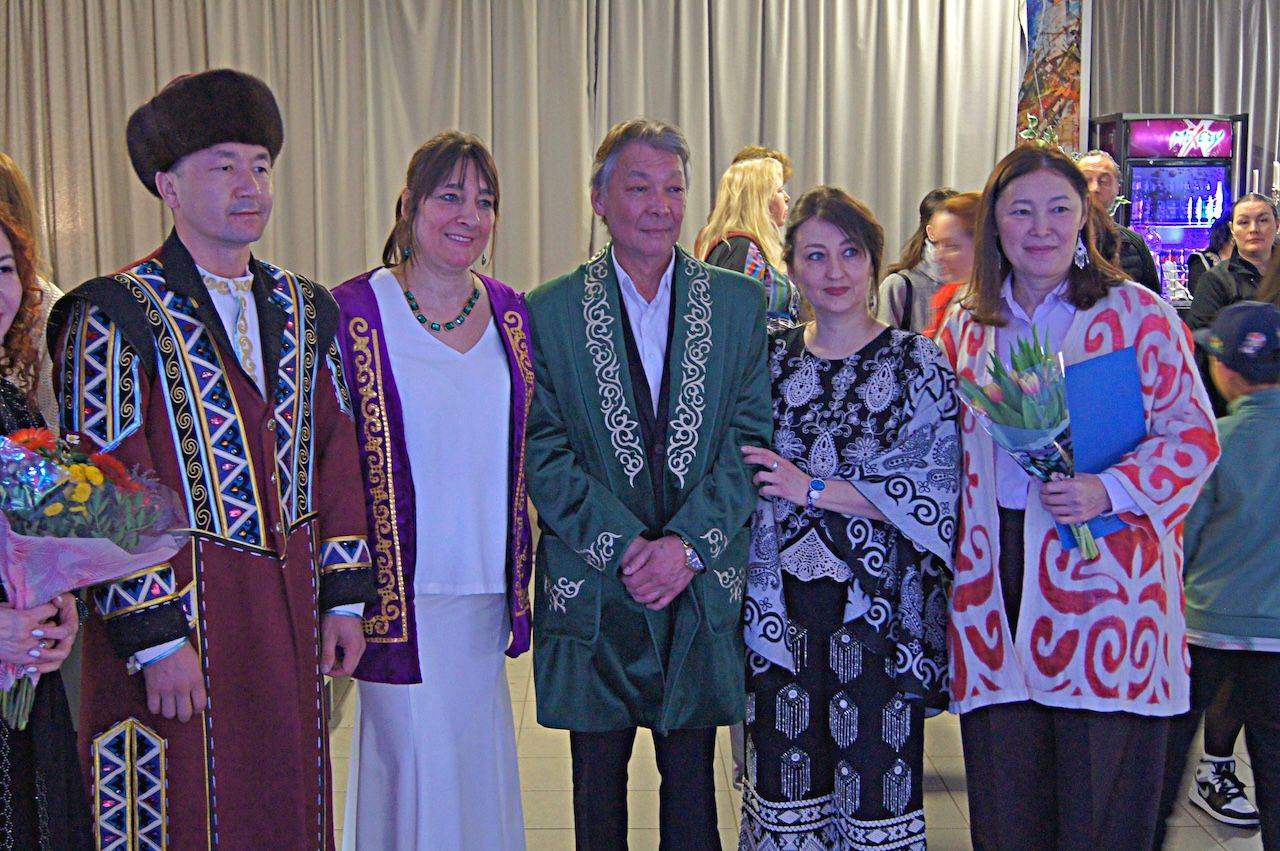
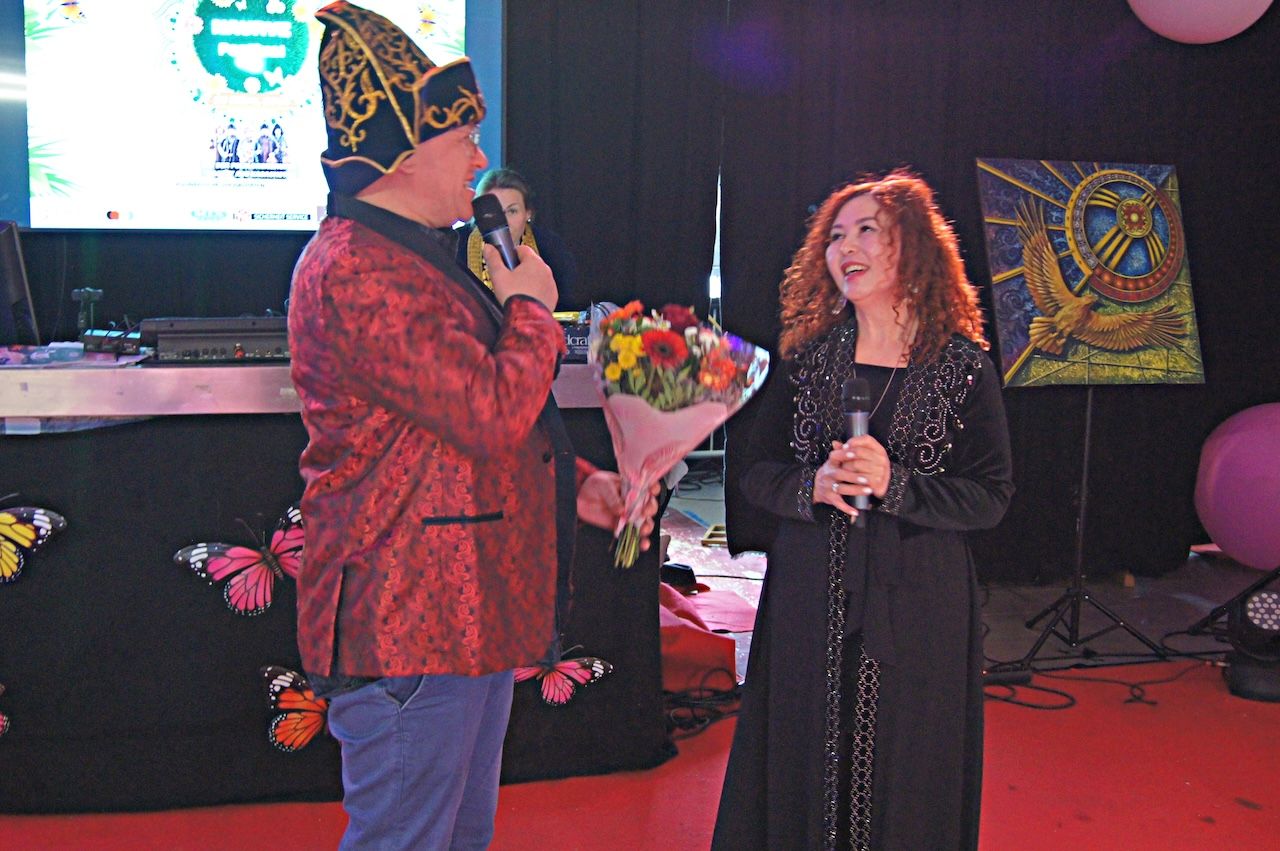
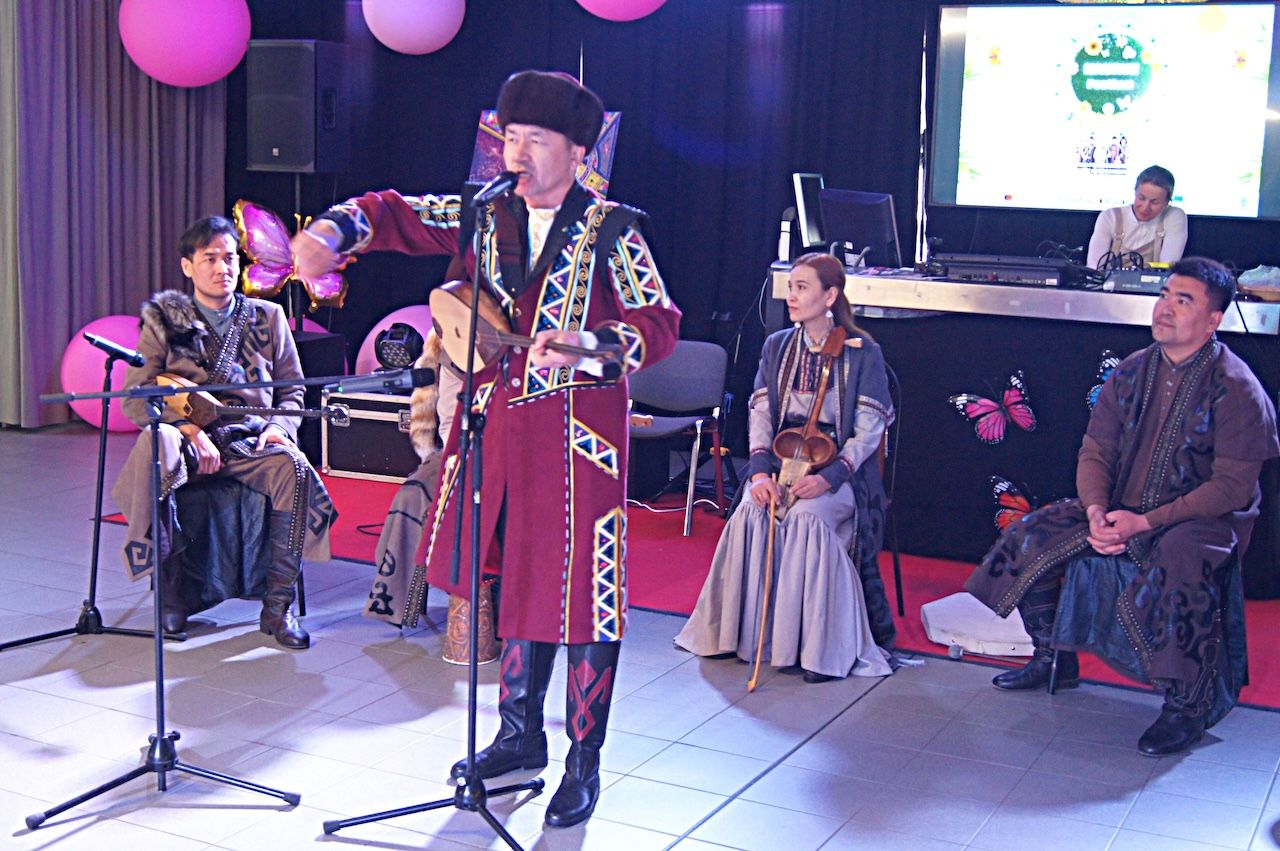
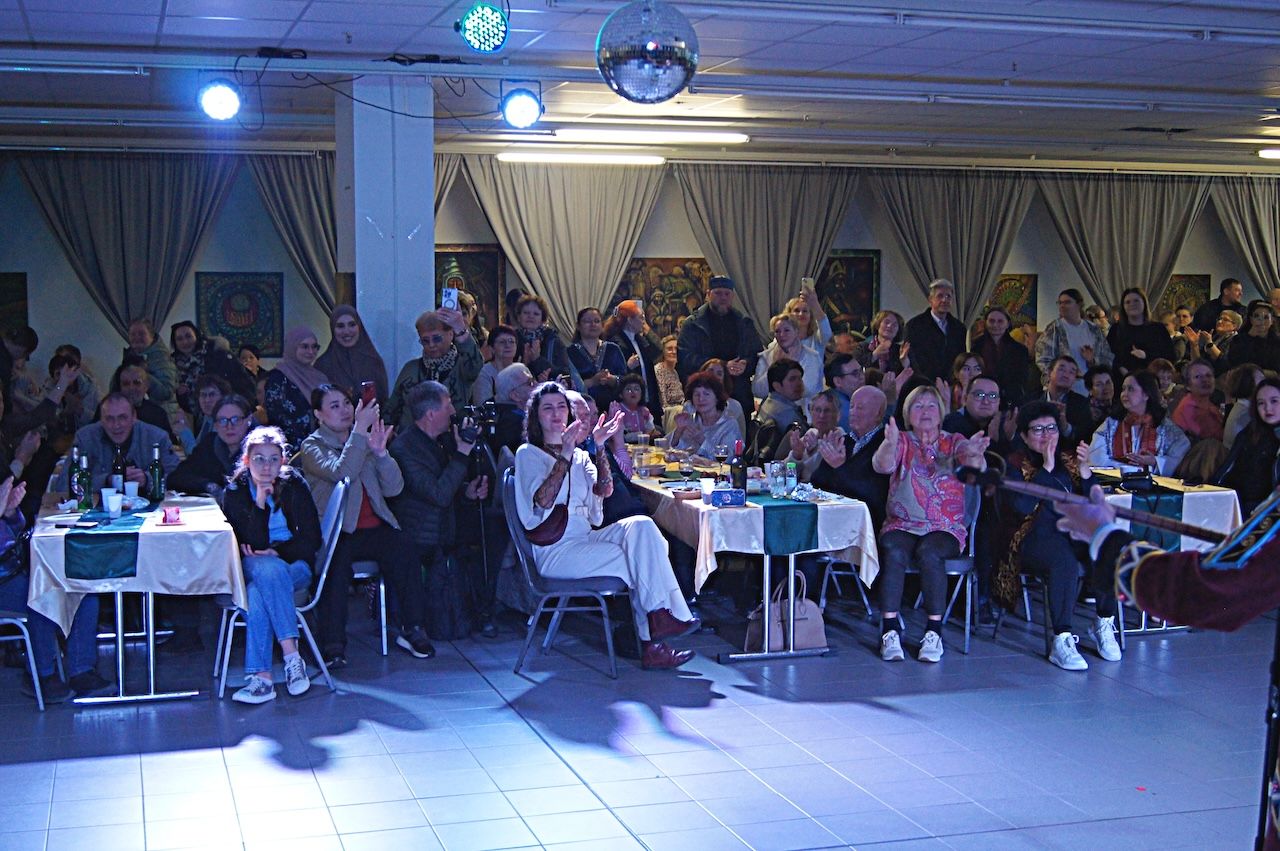
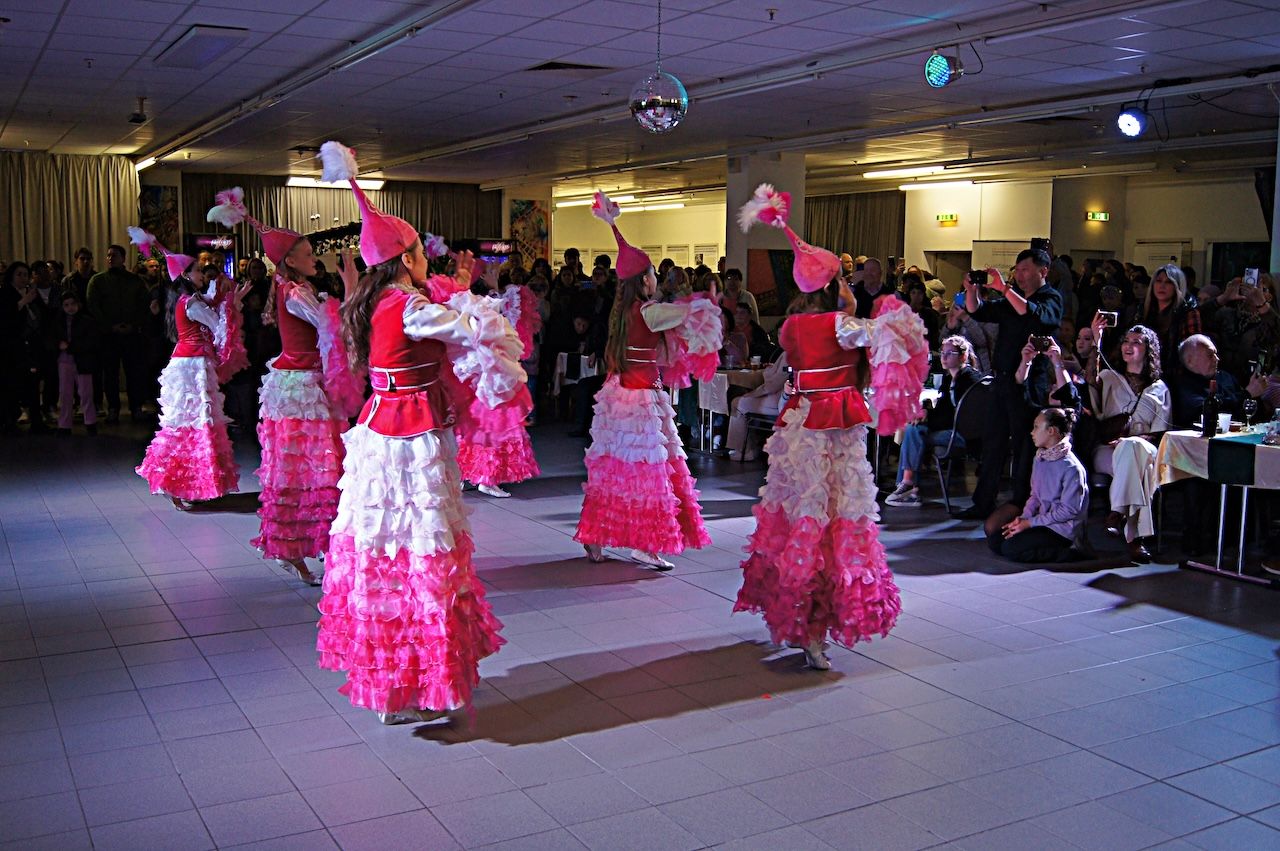
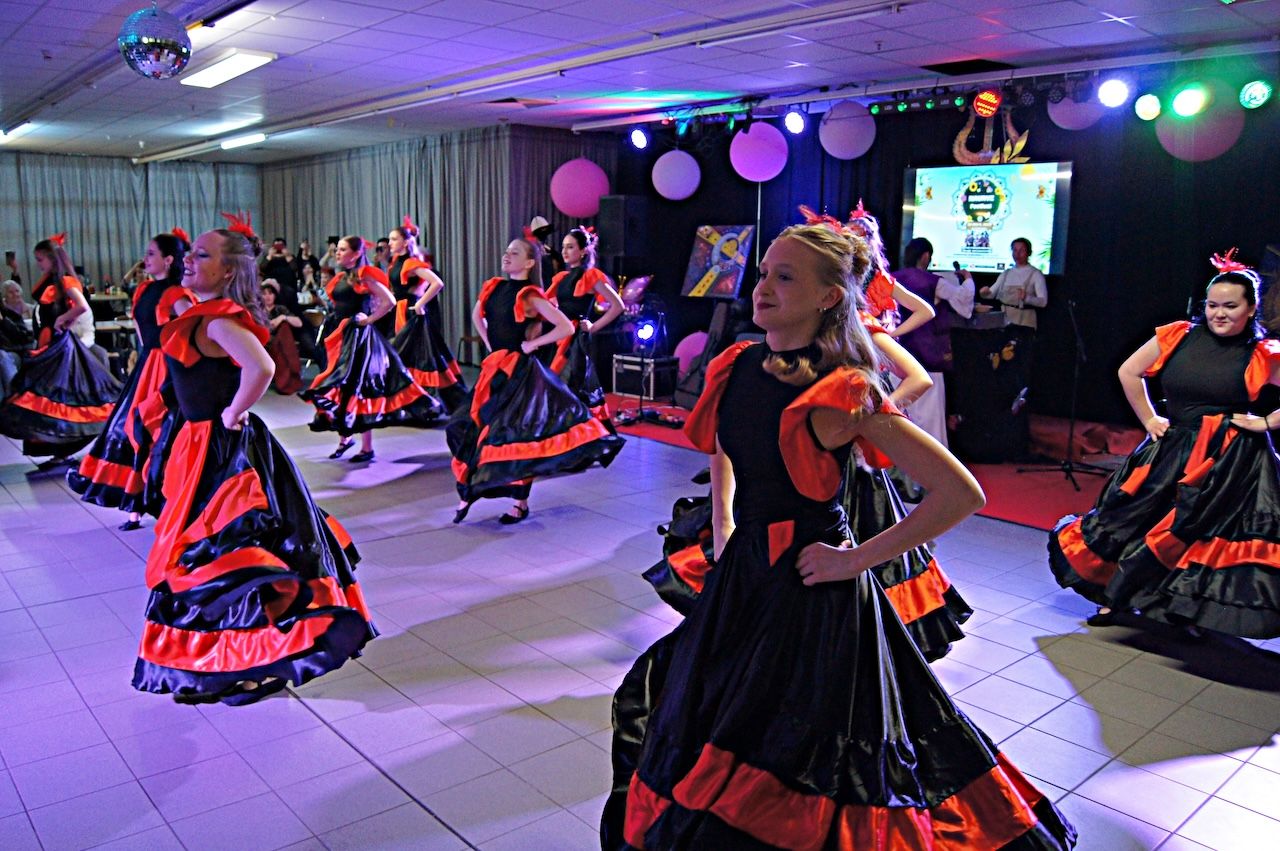
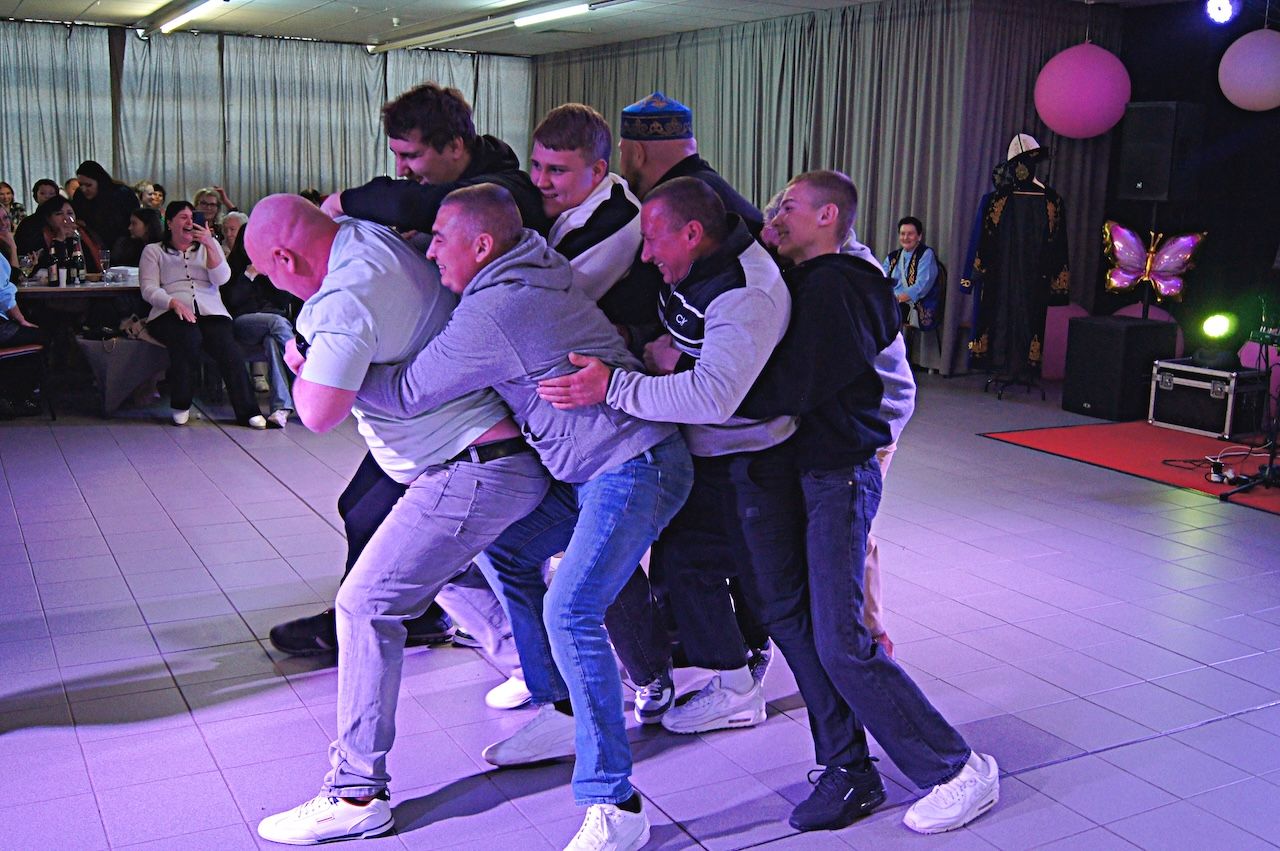
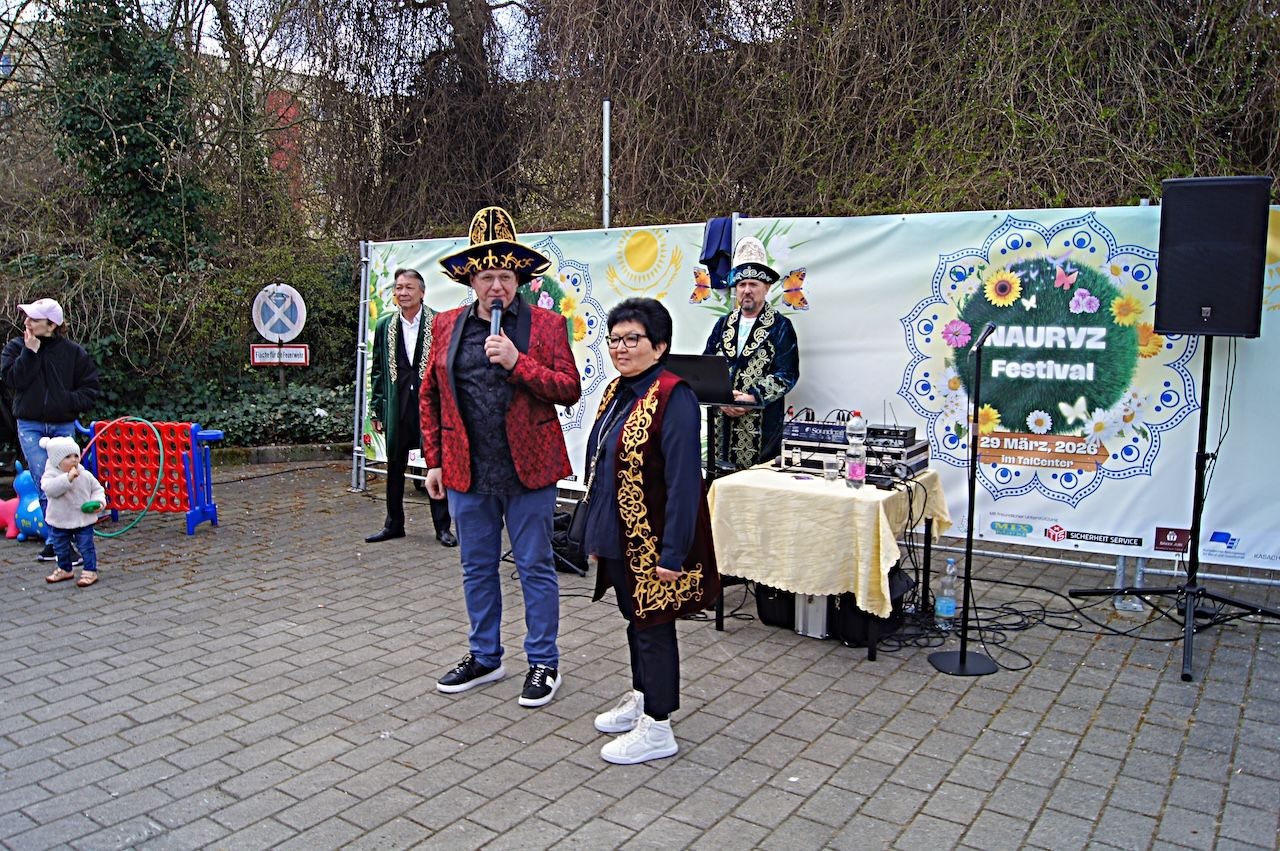
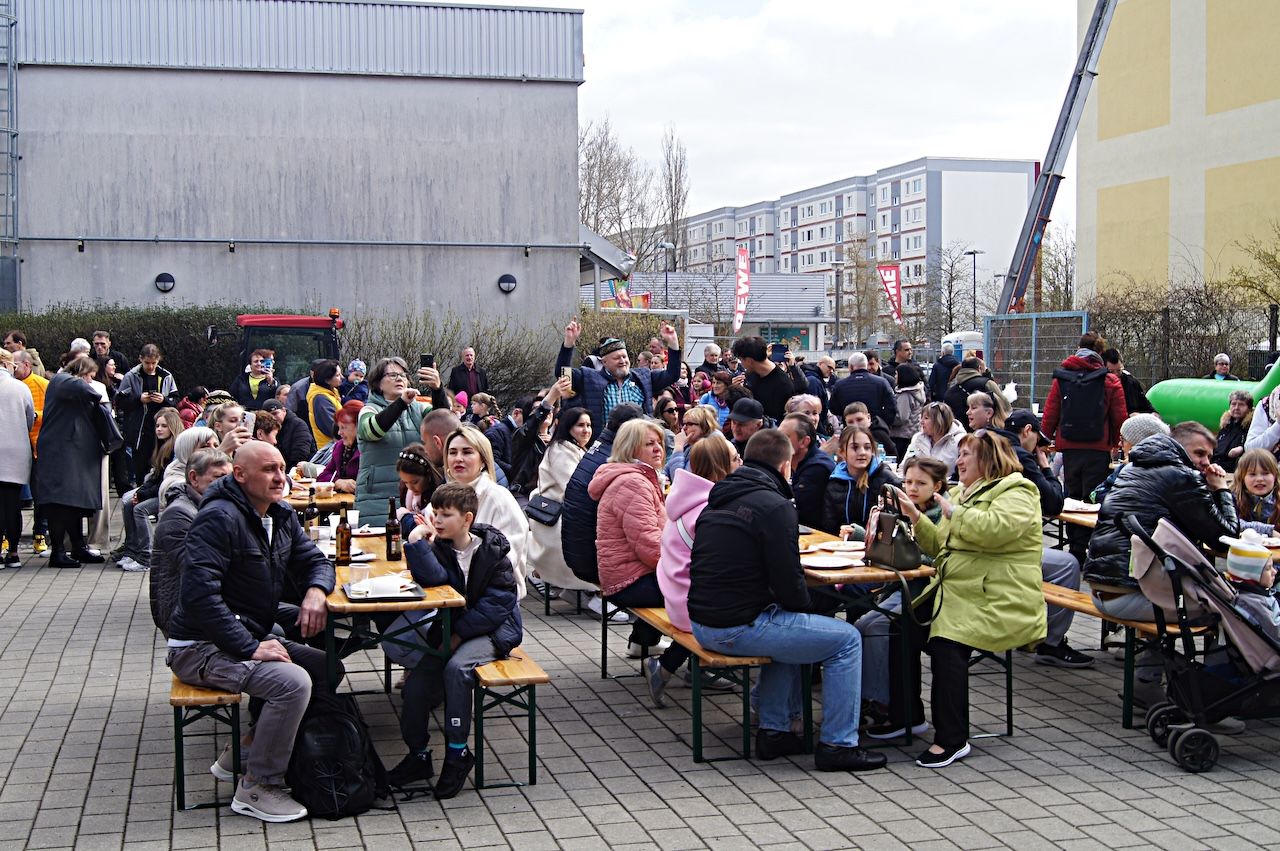
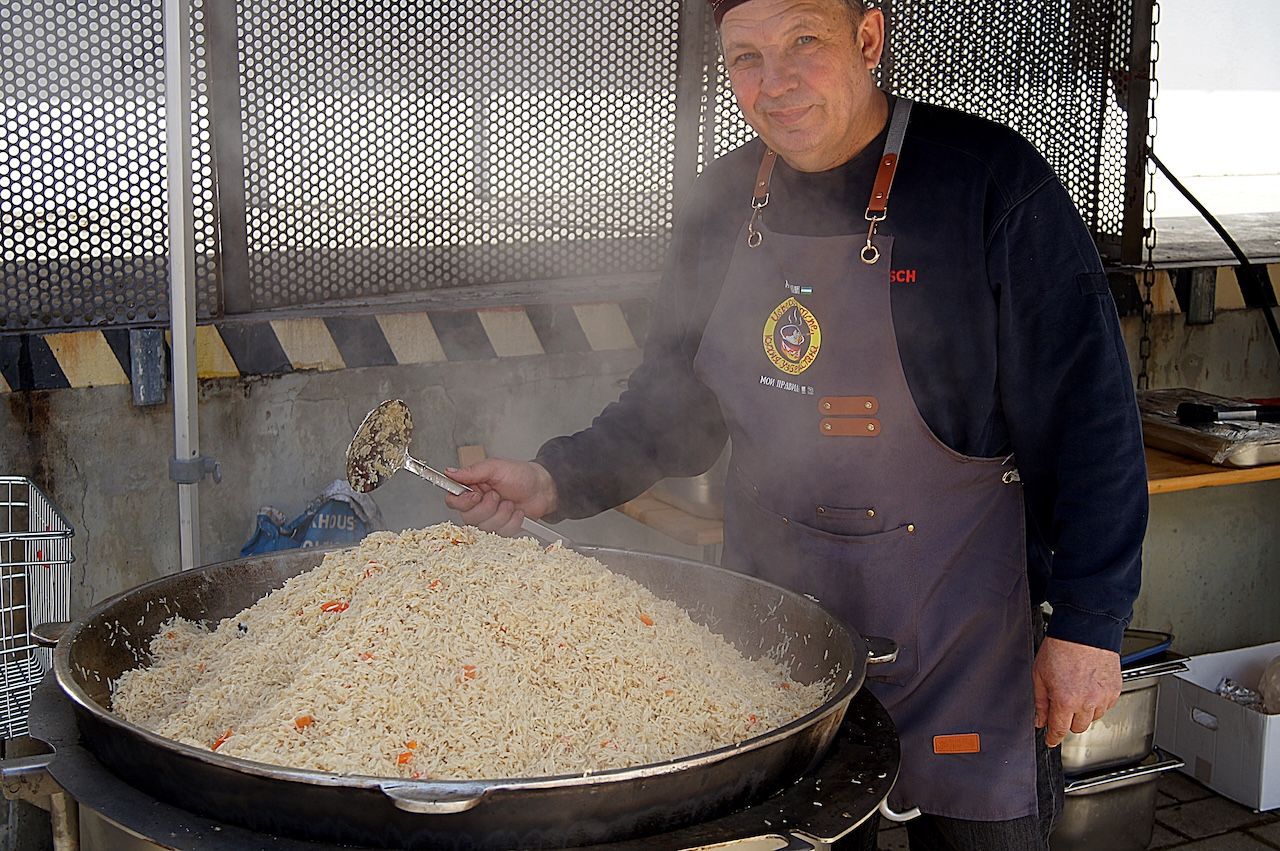
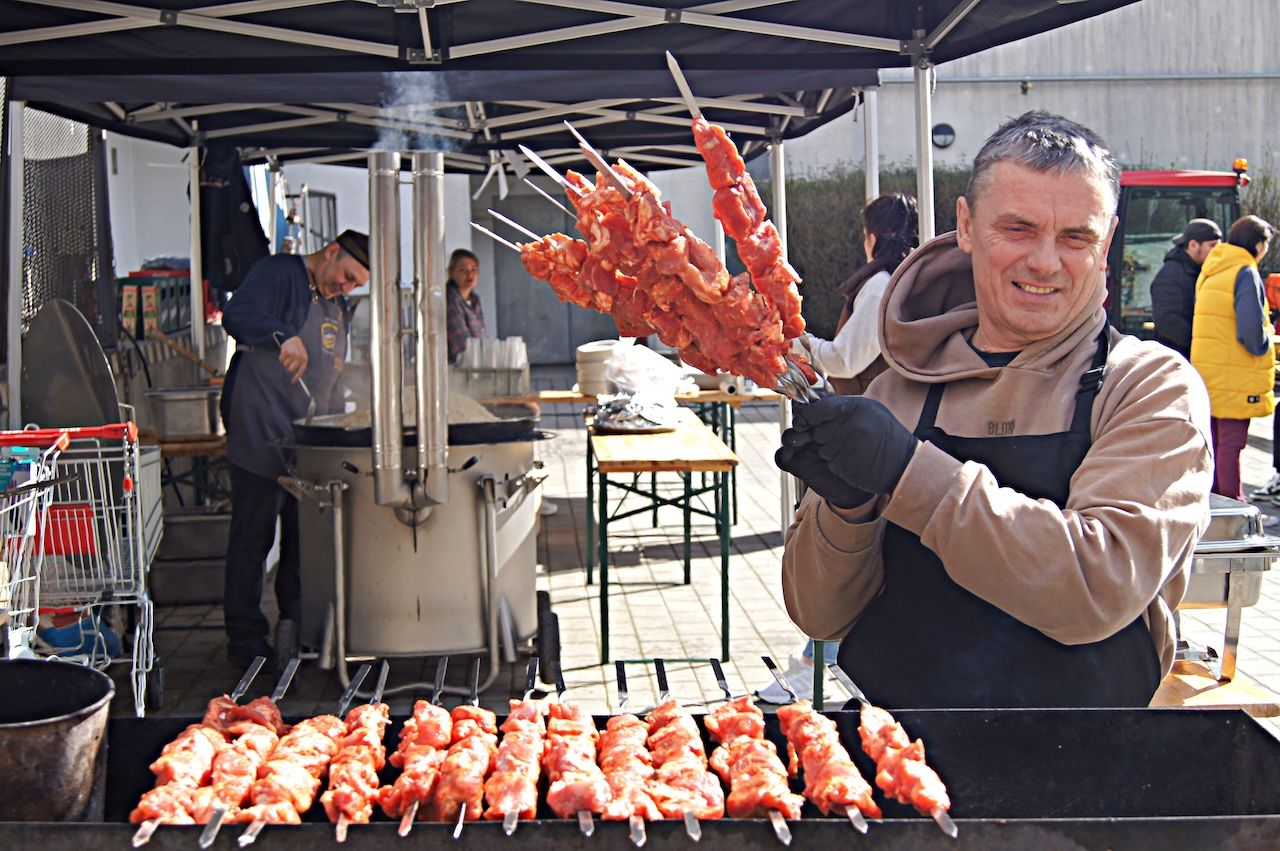
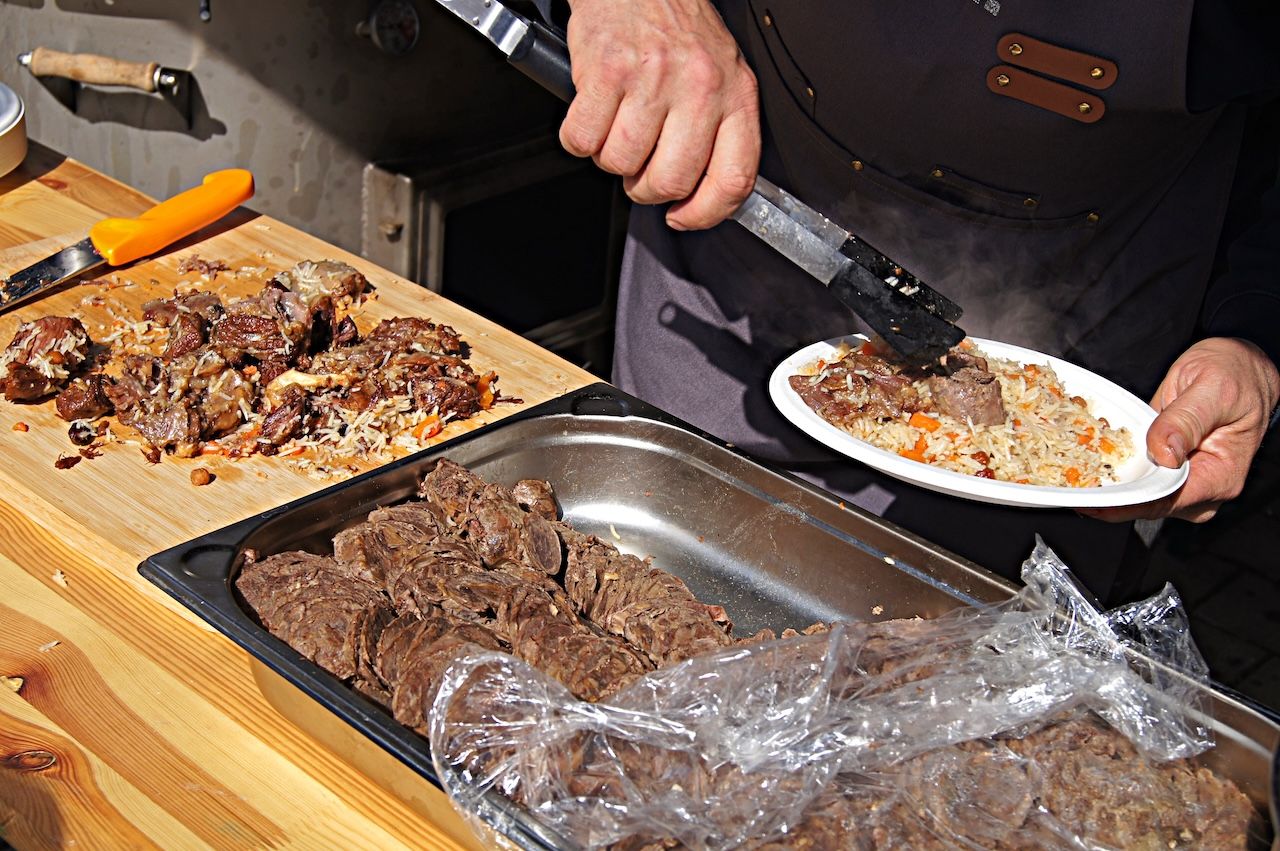
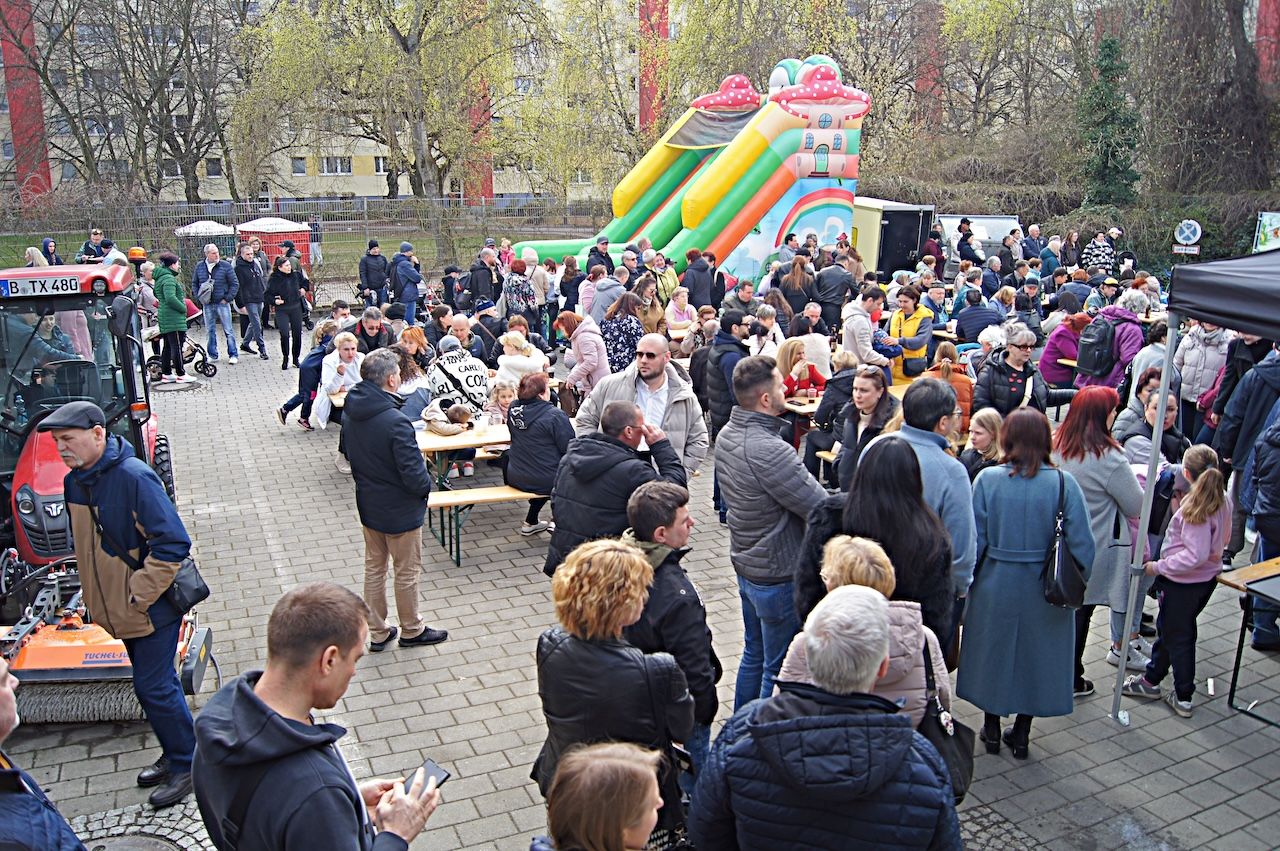
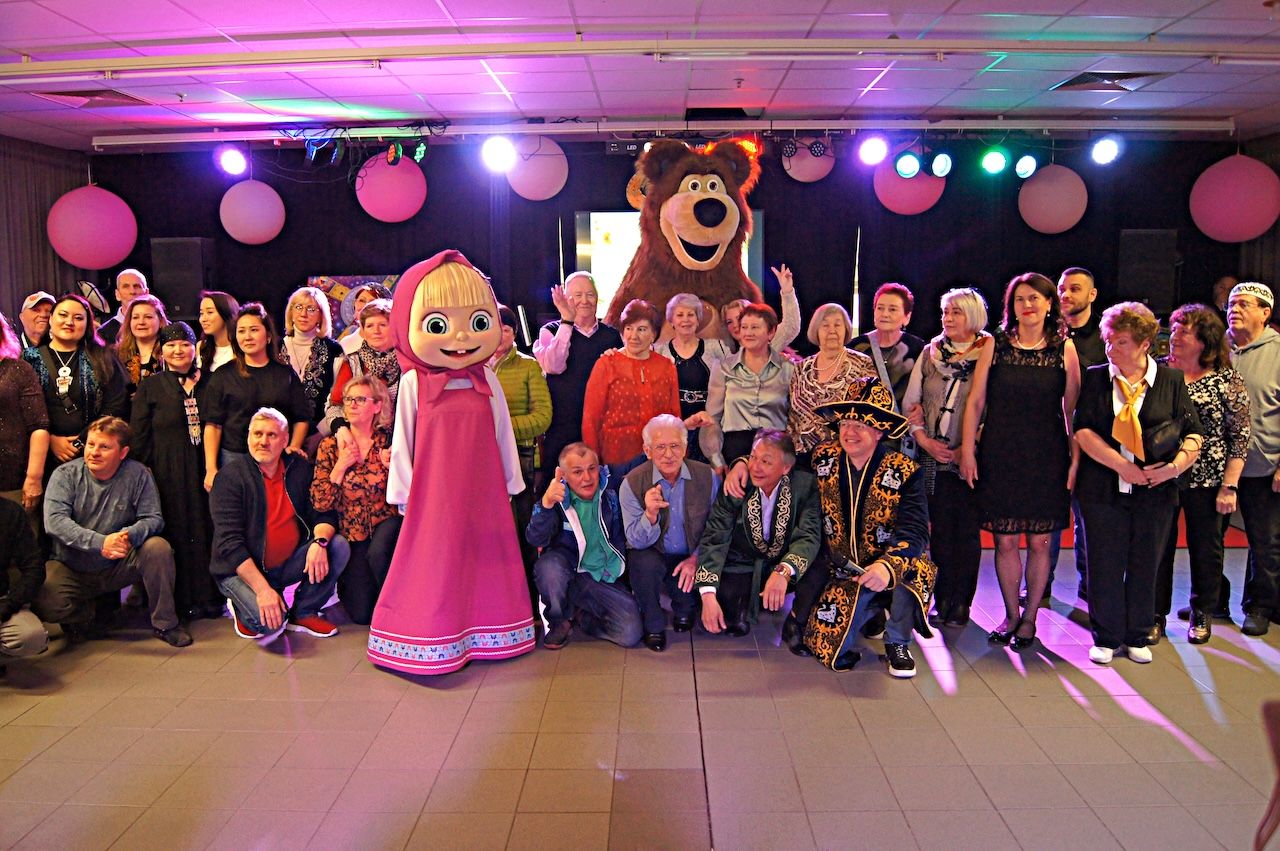
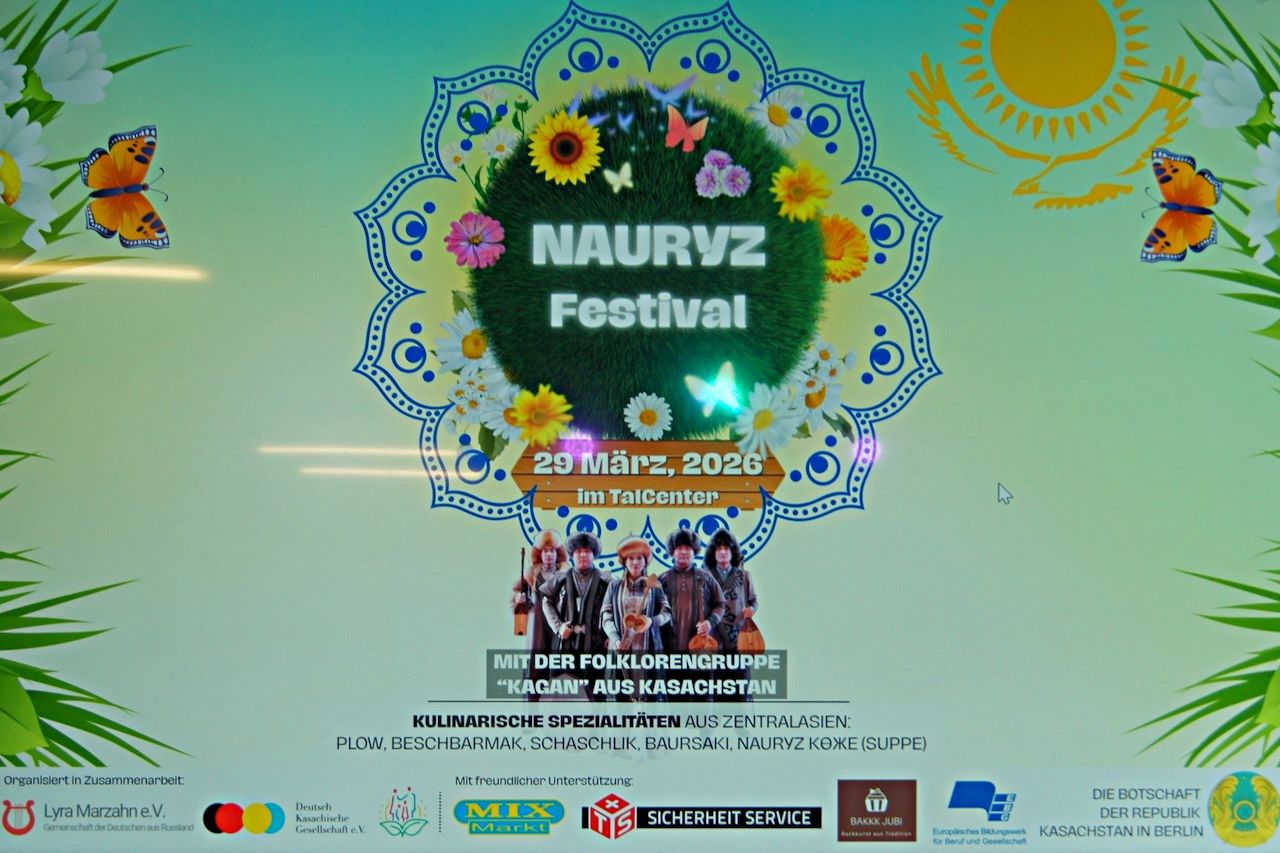
Photo: BERLIN24
Tags: cultural events Germany , Nowruz Berlin 2026 , Nowruz Marzahn Berlin festival , Nowruz Germany celebration , spring festival Berlin 2026 , Nowruz traditions and customs , spring equinox festival Europe , Nowruz UNESCO heritage , International Nowruz Day UN , Nowruz Kazakhstan Germany , Central Asia traditions Nowruz , Nowruz traditional food sumalak pilaf , cultural festival Berlin Marzahn , family festival Berlin Germany , Tal Center Marzahn events , Lyra Marzahn e.V. Nowruz , multicultural festival Berlin , spring events Germany 2026 , Nowruz Europe celebration , Iranian Turkic traditions Europe , Nowruz history origin , solar calendar Nowruz , Nowruz celebration Germany , cultural diversity Berlin event , Kazakh culture Germany , events Berlin March 2026 , Marzahn Berlin events , spring festival Europe , Berlin news Nowruz , Germany news culture , Europe news Nowruz
Categories: Latest