



Priority is given to education, youth support, and family relationships
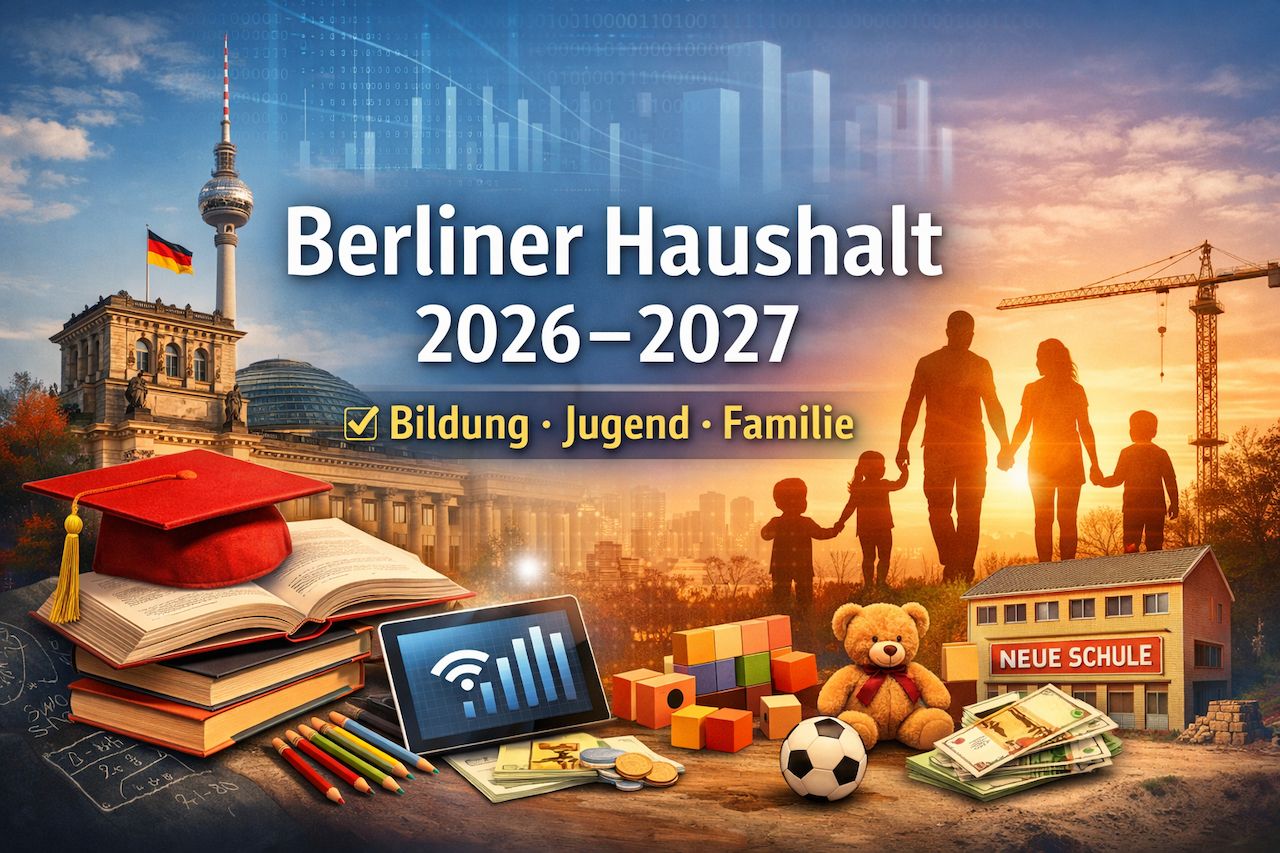
At the end of December 2025, the Berlin Senate approved the state budget of Berlin for the period 2026–2027. Education, support for the younger generation, and the strengthening of family values remain among the highest priorities in the consolidated allocation of financial resources. Thus, the overall development strategy in this area remains unchanged, despite strict austerity measures and spending cuts in many areas of public life, including administrative services.
A key element of the budget in this context is the improvement of education quality. Funding will be directed toward developing human resources, enhancing professional qualifications, and establishing stable systems. Continuity of the educational process and the preservation of jobs for teaching staff are guaranteed. The development of the education sector, advanced training, and professional retraining will continue, including with support from the Berlin State Institute for Qualification and Quality Development in Schools (BLiQ).
A total of 1.9 billion euros has been allocated for the construction, renovation, and maintenance of school infrastructure in 2026 and 2027. By the 2027/28 school year, 15,000 new school places are to be created and 13 new school buildings constructed. In addition, around 50 million euros per year will be invested in the technological modernization of educational institutions, while the so-called Digital Pact II provides further opportunities to expand digital infrastructure.
In the field of early childhood education, the Berlin government places a strong emphasis on quality. Despite budgetary constraints, plans include improving the staff-to-child ratio in daycare centers. This is expected to allow more individual attention for each child, reduce the workload for staff, and enhance the overall quality of early education. Early childhood education continues to be regarded as a key factor in ensuring equal opportunities.
According to the approved budget, support for youth and families remains a central element of social policy. Priority is given to crime prevention and combating juvenile delinquency. Funding for youth sports programs will be expanded. Measures to protect children’s rights, provide assistance in child-rearing, and further develop support services for foster families will also be ensured. The network of family service centers is expected to cover all administrative districts of the city. The adopted budget is intended to guarantee the continuation of their work.
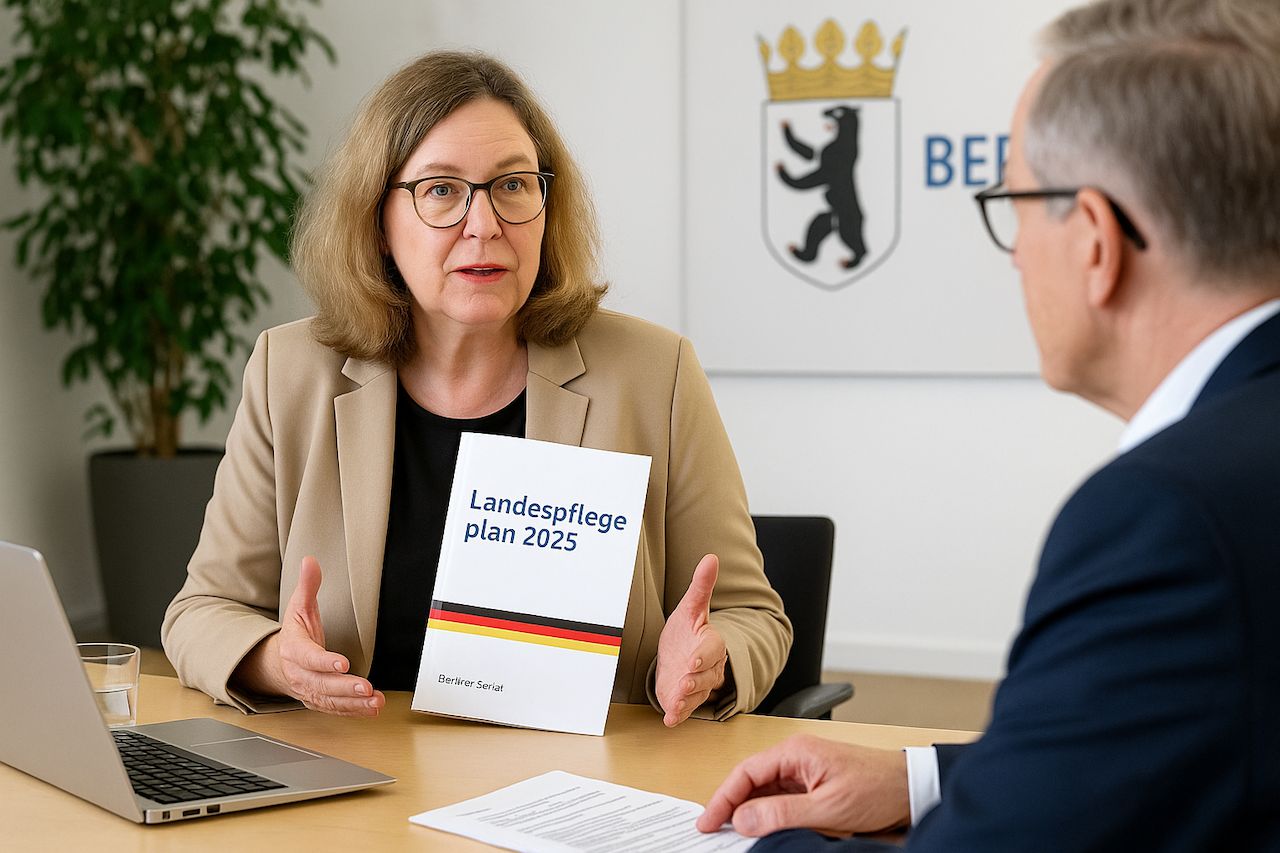
In this context, a statement by Berlin’s Senator for Education, Youth, and Family, Katharina Günther-Wünsch, is particularly noteworthy:
“Investments in high-quality education, early development, and reliable support structures for children, young people, and families are undoubtedly the core framework of our budget for 2026–2027.”
Tags: Berlin Senate , urban development Berlin , Berlin districts , social policy Berlin , Berlin budget , budget 2026 2027 , education Berlin , youth support , family policy Berlin , education funding , school infrastructure , daycare centers Berlin , early childhood education , Digital Pact II , school digitalization , BLiQ Berlin , teacher training , education jobs , school construction Berlin , new schools , family support , youth programs , youth sports , crime prevention , children rights protection , foster families , family service centers , education investment , budget policy Berlin , social priorities
Categories: Latest